Punta Arenas is the capital city of Chile’s southernmost region.
It is located north of the Strait of Magellan and was originally set up by the Chilean government in 1848 as a penal colony. During the remainder of the 1800s, Punta Arenas grew in size and importance due to the increasing maritime traffic and trade traveling to the west coasts of South and North America. This period of growth also resulted from the waves of immigrants attracted to both gold and sheep farming in the 1880s and early 1900s. The largest sheep company was based in Punta Arenas, and its owners lived there.
Punta Arenas has been nicknamed "the city of the red roofs" for the red-painted metal roofs that characterized the city for many years. It is about 900 miles from the coast of Antarctica. Magellan passed close to the present site of Punta Arenas in 1520. Early English navigational documents referred to this site as "Sandy Point".
Among Chileans the city is also known for its strong winds (up to 130 km/hour). Winds tend to be strongest during the summer; city officials have put up ropes between buildings in the downtown area to assist pedestrians with managing the strong downdrafts created in the area!
The Punta Arenas harbor, although exposed to storms, was considered one of the most important in Chile before the the Panama Canal was built. It was used as a fueling station by steamships transiting between the Atlantic and Pacific oceans. Today it is mostly used by tourism cruises and scientific expeditions. Punta Arenas has a population of over 100,000 Agricultural production, including sheep and cattle, continues to play a significant role and tourism has also contributed to the city's popularity and steady growth. Some cruise ships to Antarctica depart from Punta Arenas's port, which also serves as a hub for many cruise lines that travel along the channels and fjords of the region.
The last time I visited Punta Arenas, I took a ferry out to Magdalenas Island to see a huge rookery of penguins. There were over 100,000 of them! It was terrific, a day I have never forgotten. I smile every time I think of all of those penguins just running around, hanging out in their nests, and staring at me as I walked by. They are inquisitive and pretty much unafraid of humans. They will come up to you if you stand still and don’t talk too loudly.
This visit, I wanted to see a bit of the city of Punta Arenas, so I opted for a short tour in the afternoon. I’m interested in the history, so my tour includes a visit to a founding family’s home which is now a museum, and the city cemetery. I’ll also get a chance to get up to the top of a hill overlooking the city and out to the Magellan Strait.
Some city center shots, in and around Plaza de Armas.


Vendor/craftsman carts beginning to be set up around the plaza. It is quiet in the center today as it is Sunday.

This is a big statue with Magellan on top. It is right in the center of the plaza.

They say if you kiss Magellan's toe you will return to Punta Arenas. This is my second time back, so I opted to just touch his toe.

Street performer mimes doing the tango. They were kinda creepy.


We visited the beautiful city cemetery. The founding family's mausoleum is located here - Menendez and Braun were the two most notable families back in the day. They were sheep farmers and made their fortune in this area as well as marine commerce.


Many graves were decorated and landscaped beautifully.

This man clearly loved his sunglasses - or, he was known for always having them on.


These are photos from inside the Braun museum. It was their home and a lovely one at that!


Check out the beautiful floor tiles.

Hmmm, I wonder what the wine might taste like!


Early photo of the family.

These pics below are of the servant's quarters downstairs. Pretty nice digs.


I found the wine cellar!!!

Figure carved into a tree on the grounds of the Braun museum.

Back of the house.


More street performers. This was a drumming group, practicing for a tour.

Views from atop the city, looking out to the Strait of Magellan.


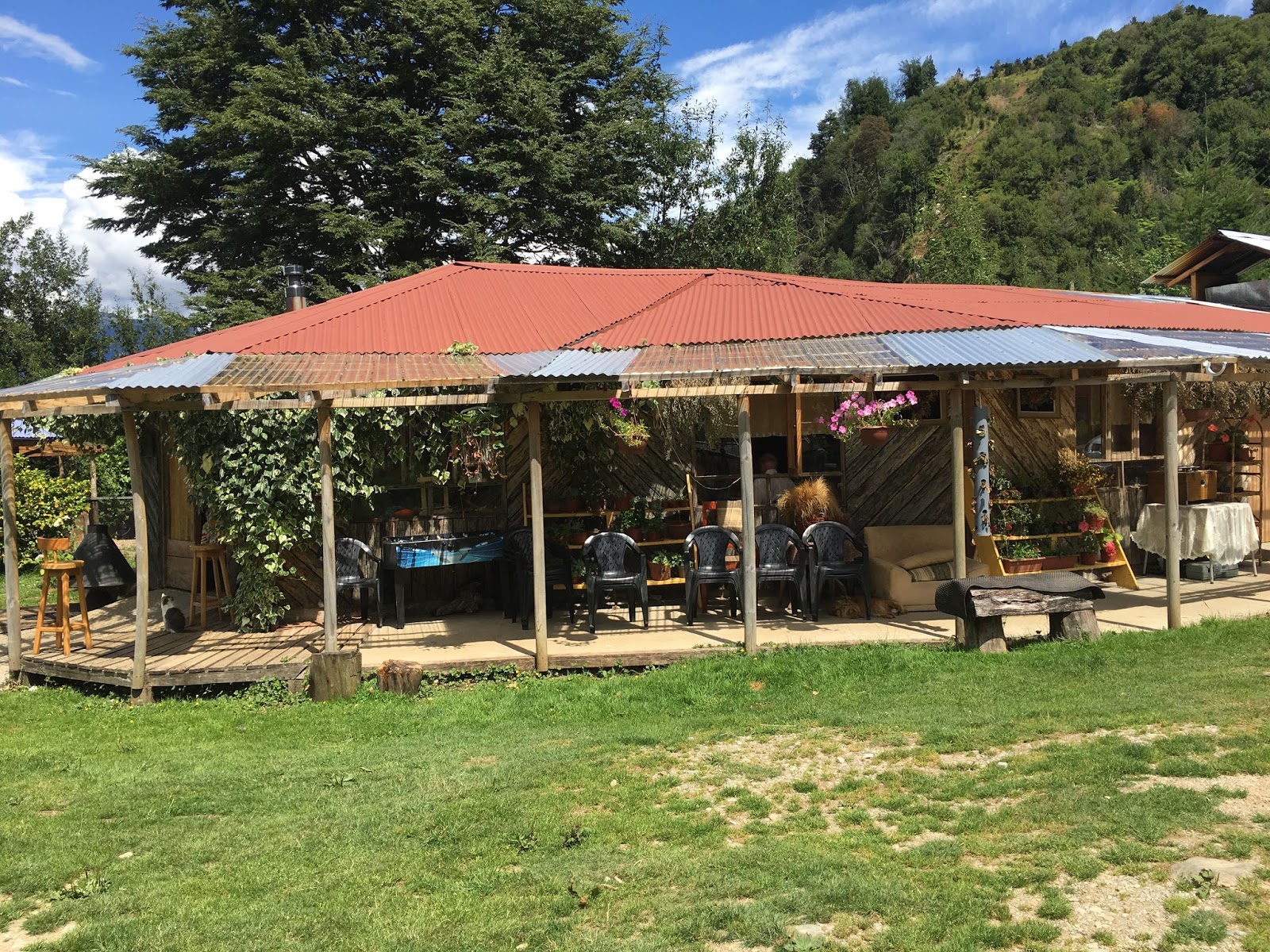
We visited a small sheep farm on the outskirts of town.

We were going to see sheep being sheared.

But first we had to have a pisco sour and an empanada

And then walk up to the shearing shack.

And meet our volunteer of the day.

And the peanut gallery.


And there's the owner, being kissed by his llama. Or wait, is that an alpaca? I can't hardly tell, after such a delicious pisco sour.....

These girls are probably back up shearees....

But not these!

This is looking more like an alpaca to me.


So we got a demonstration of sheep shearing. The guy was great! He had that sheep sheared in less than 2 minutes.


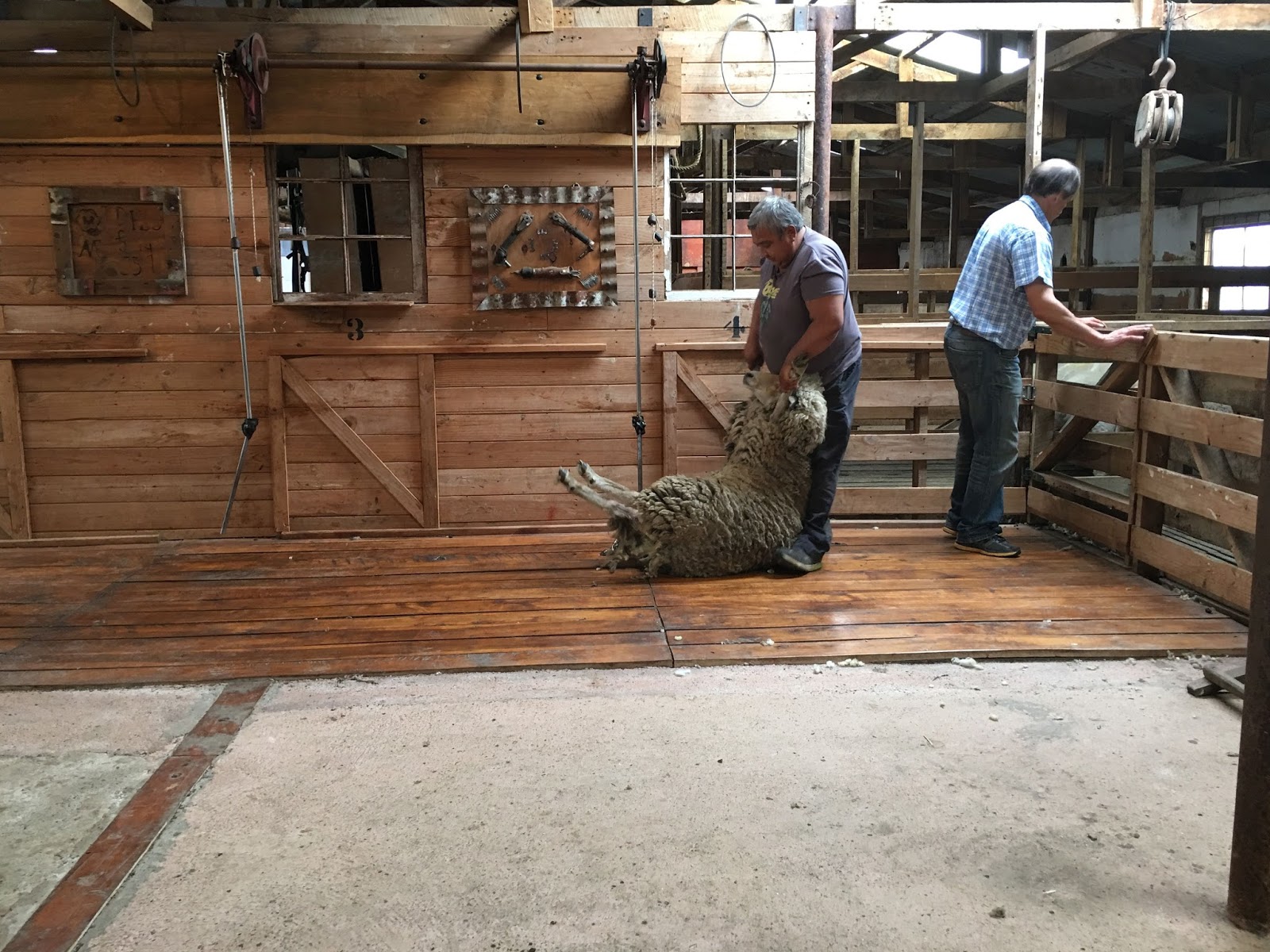


Yes, there really are black sheep. But this isn't one of them. This is just dirty wool.


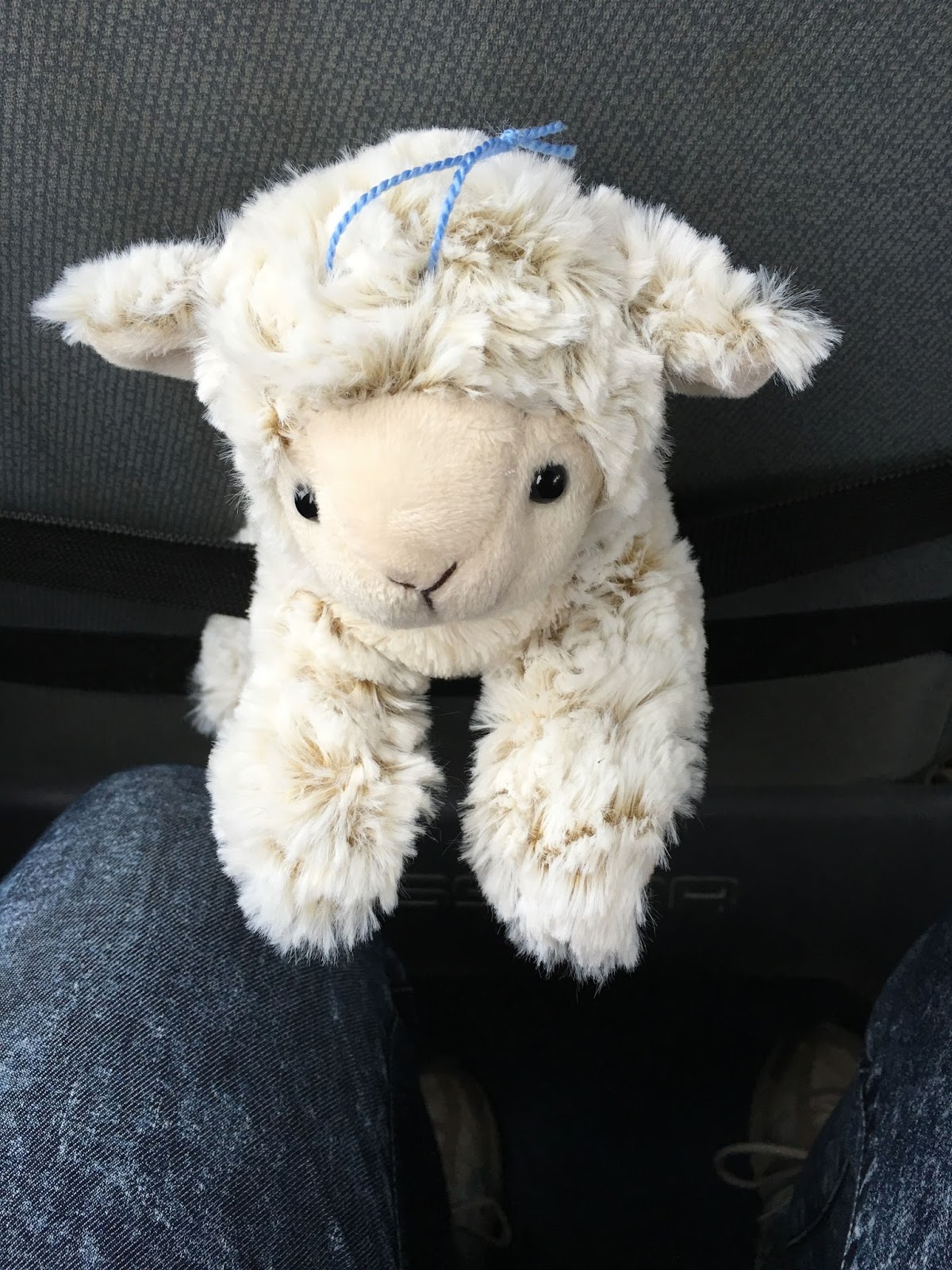
I picked up a new friend in town....
Sunset faded to darkness as we entered the fjords region.