The evening we were in Panama we had a Panama Hat night in the dining room. Everyone got Panama hats to wear and to keep. They’re pretty nice actually! Last night was our second gala night so I’ve included a little food porn here. And at midnight last night, we crossed the equator. Since this was our ship’s last time through the Canal before she is turned over to the German company who bought her, the captain thought the transit should be memorialized with a photo of all of the passengers and crew. We all received a complementary copy of it as well.
For a quarter of the cost of a ship tour, Kathi, Patty and I hired a taxi this morning to take us around Manta, and up to two towns - Montecristi, and Chorillo. These towns are known respectively for their "Panama" hat making, and for their agave fiber products. We also stopped above the town for some nice views, and then toured around Manta for a bit. For three hours, it cost us each $25. When we were dropped back at the Plaza in town where the shuttle bus was, we spent a little more time browsing and shopping at the craft vendors who had set up shop there, just for our ship. We were the only game in town today.
View of Montecristi
Man showing agave fiber after it's been bleached and boiled
Alfaro Museum above Montecristi
Our ship photo commemorating the Prinsendam's final Panama Canal transit
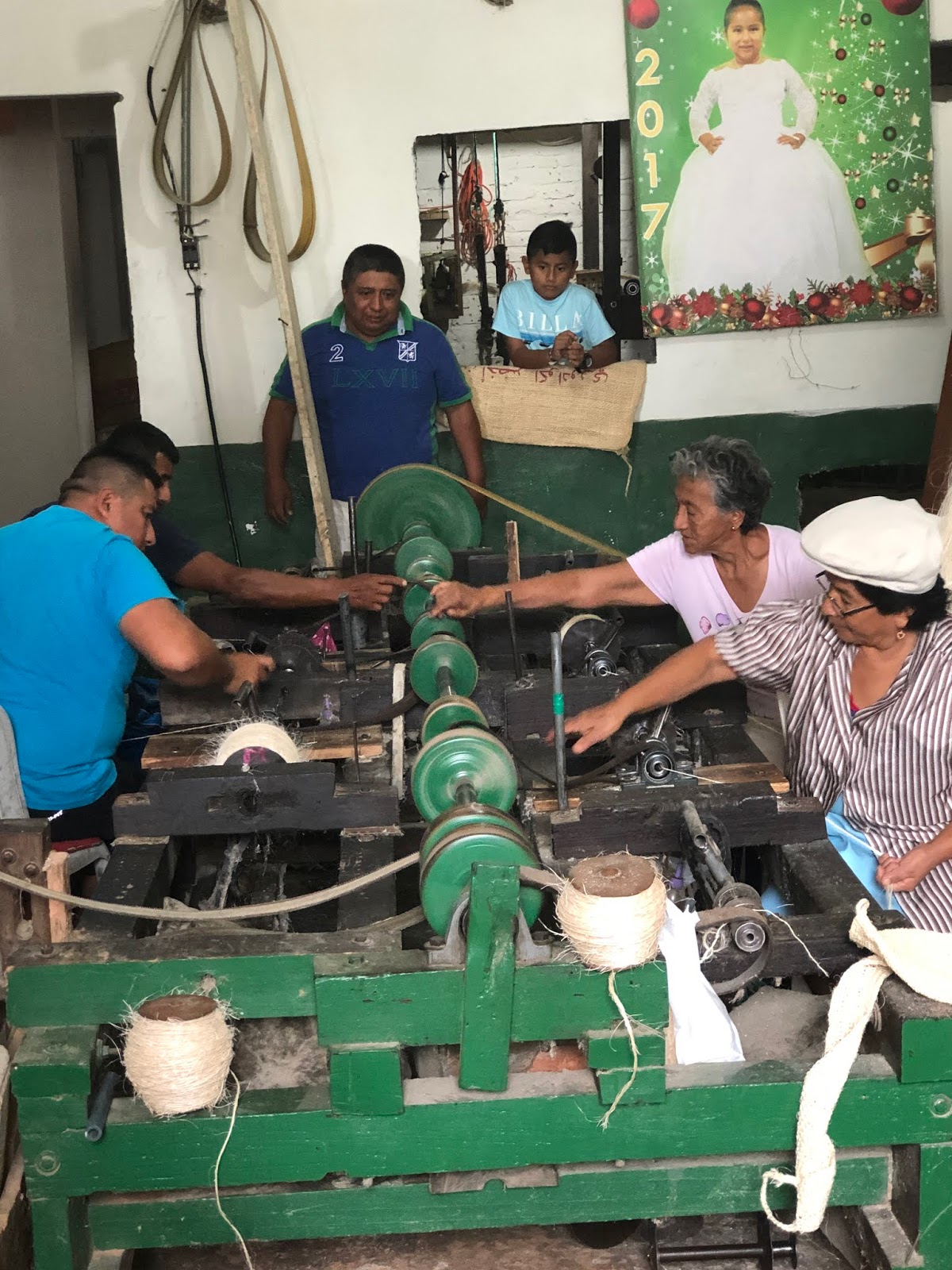
Workers in the agave fiber factory, spinning the fibers from the bleached plant leaves
There's a whole row along the beach of beat up and abandoned boats - some are being restored
Patty cannot decide on which Panama hat to buy
A man working hard on finishing a hat. They are called Panama hats because they were/are sold in Panama, but the hats actually are made and come from Ecuador.
Agave fibers
Funky crabs we saw at a tabletop vendor in the middle of a traffic roundabout. They were still alive!!
Our certificate for crossing the Equator
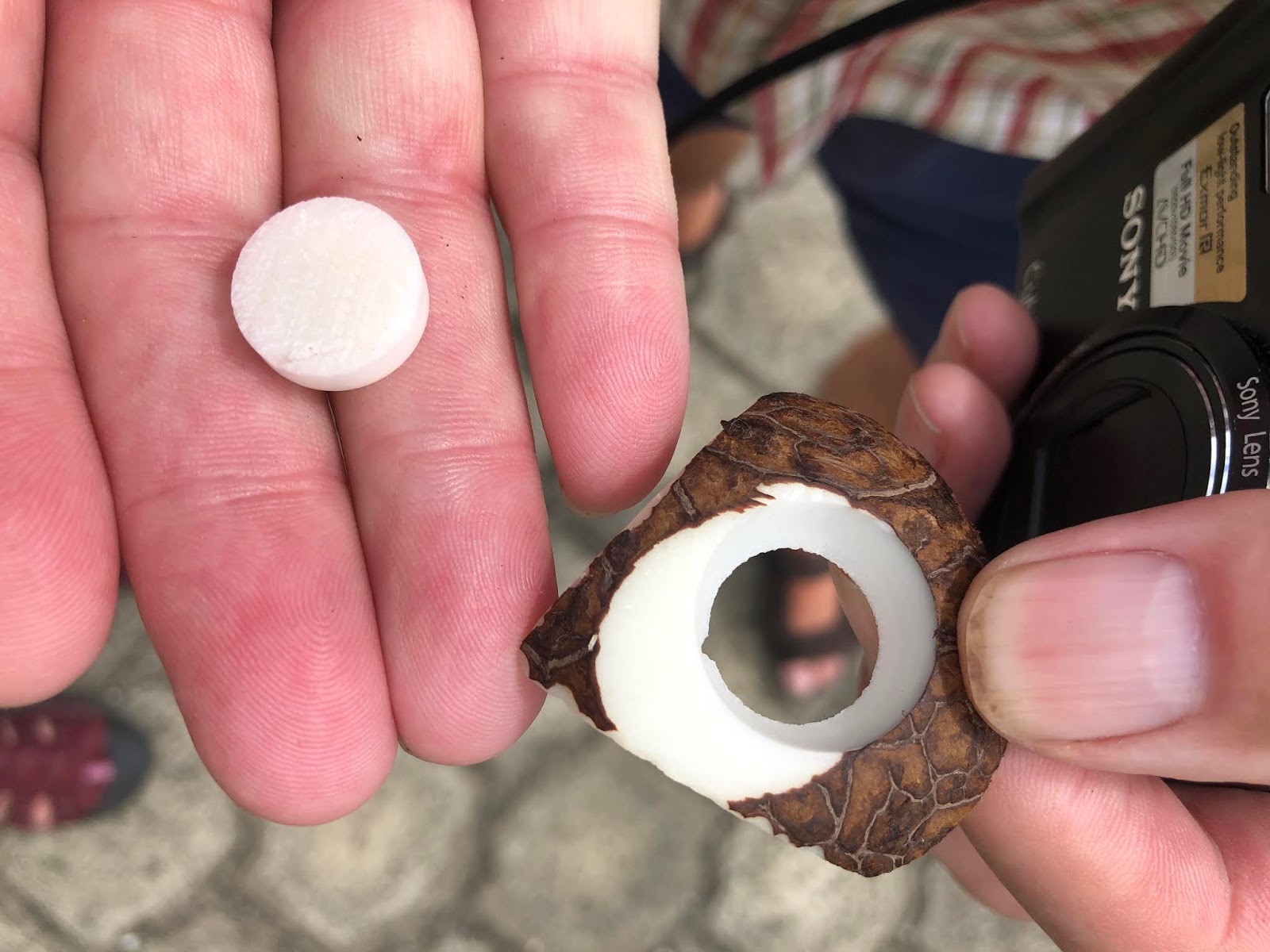
Tagua nut, looks like coconut and is very hard. Is used to carve jewelry, and make buttons
Eloy Alfaro, great hero of Ecuador and early president
Snort thought he might try on a hat.
From left to right, Kathi, Patty, little lady making hat, me.
We thought this was an interesting street sigh. Still can't figure it out.
Agave fiber loom
From the museum above Montecristi
Different bleached fibers
Inside the church in Montecristi
This little woman works bent over at nearly a 90 degree angle. She works like this 6 hours a day
The town square in Montecrisiti. This town is renowned for the Panama hat making.
Our table at dinner. Standing: Roy, me. Sitting L to R Andrea, Jim, Patty
This is a cool statue in the middle of a roundabout between Manta and Montecristi
Our taxi driver, Fernando
Making agave mats
The agave factory
Here's some more of those crabs
Double chocolate cheesecake. OMG, it was delish.
Filet mignon Oscar. That's crab meat on top, and bernaise sauce.
It was raining when I took this through the window of the shuttle bus on the way back to the ship. Manta is known for it's tuna fishing industry
View of some tuna boats at our pier
Saturday, January 12, 2019
Fuerte Amador, Panama
At the end of the Amador Causeway sits Flamingo Island, and this is where our ship tendered to while at Anchor off Panama City. It’s the gateway to the Canal building zone, as well as Panama City itself. The Causeway itself was built during the construction of the Panama Canal to keep the swift currents from “silting up the Canal entrance.” Today it has a bio diversity museum, shops, restaurants, the cruise terminal, a swanky marina and a nice bike/walkway.
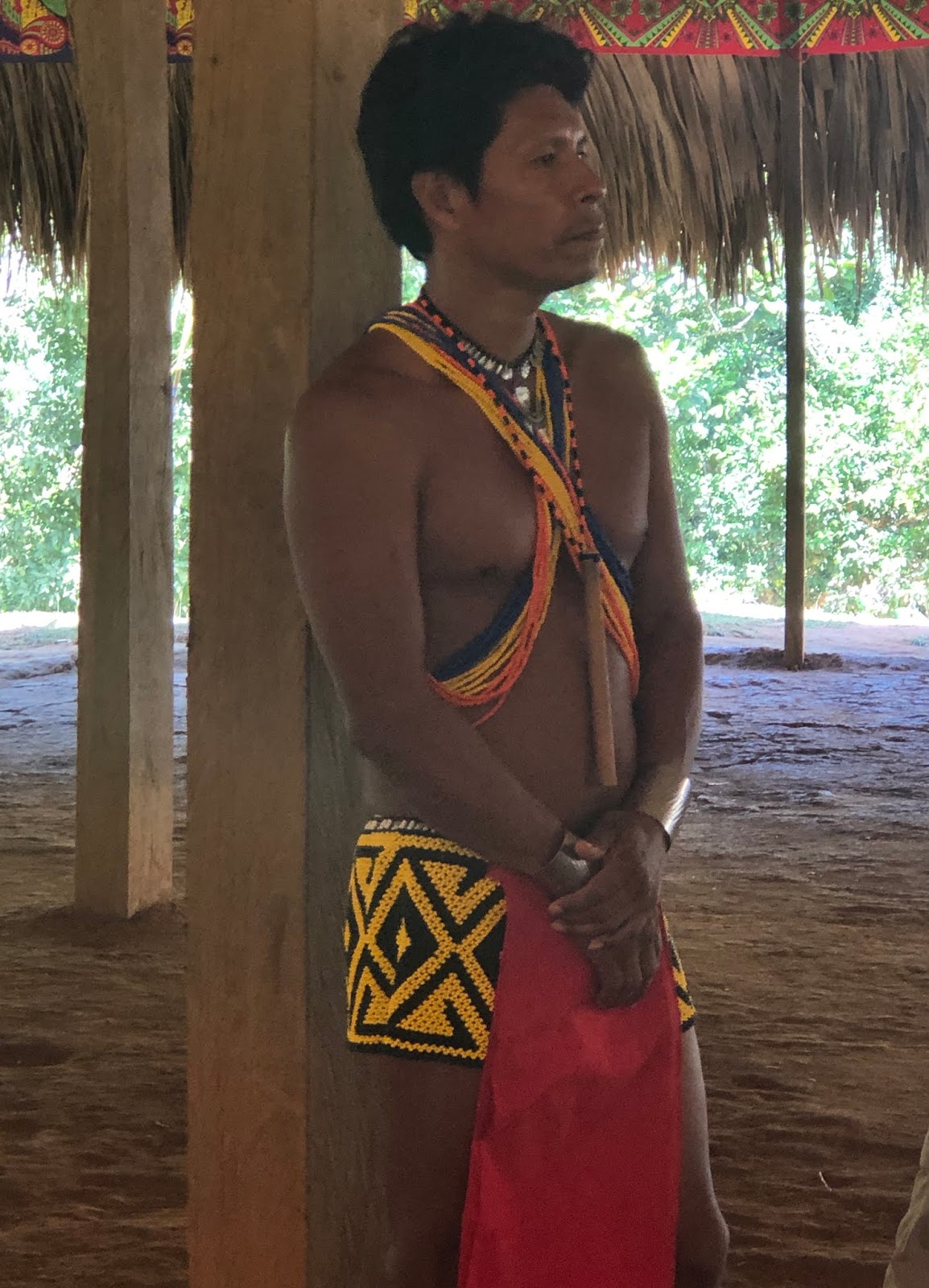
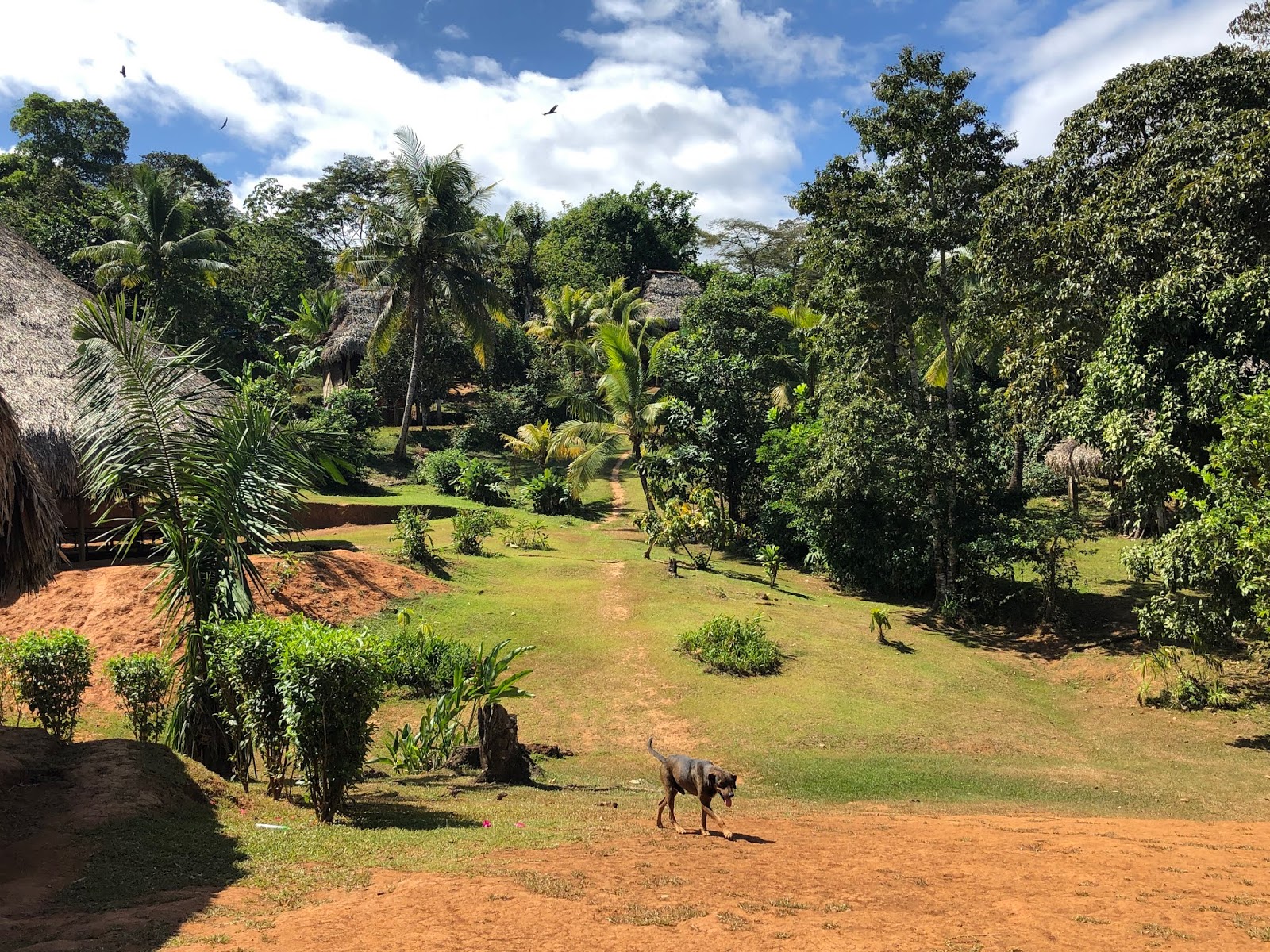
I chose to take a ship tour outside of town to an indigenous village where tribe of people called the Ambera live. They settled in this area from Colombia and in 1984 the government declared the area in which they had settled a National Park. Because of this, the Ambera were no longer allowed to hunt nor raise large crops on the land. We were told that in order for them to be able to survive they’d either have to leave or they could set their villages up to be a place for tourism. This way they could make ,one and then they could buy their food and their goods. Sounds fishy to me, but whatever. The good news is that they seem to have kept their basic way of life and they make beautiful crafts, especially woven products and wood carvings.
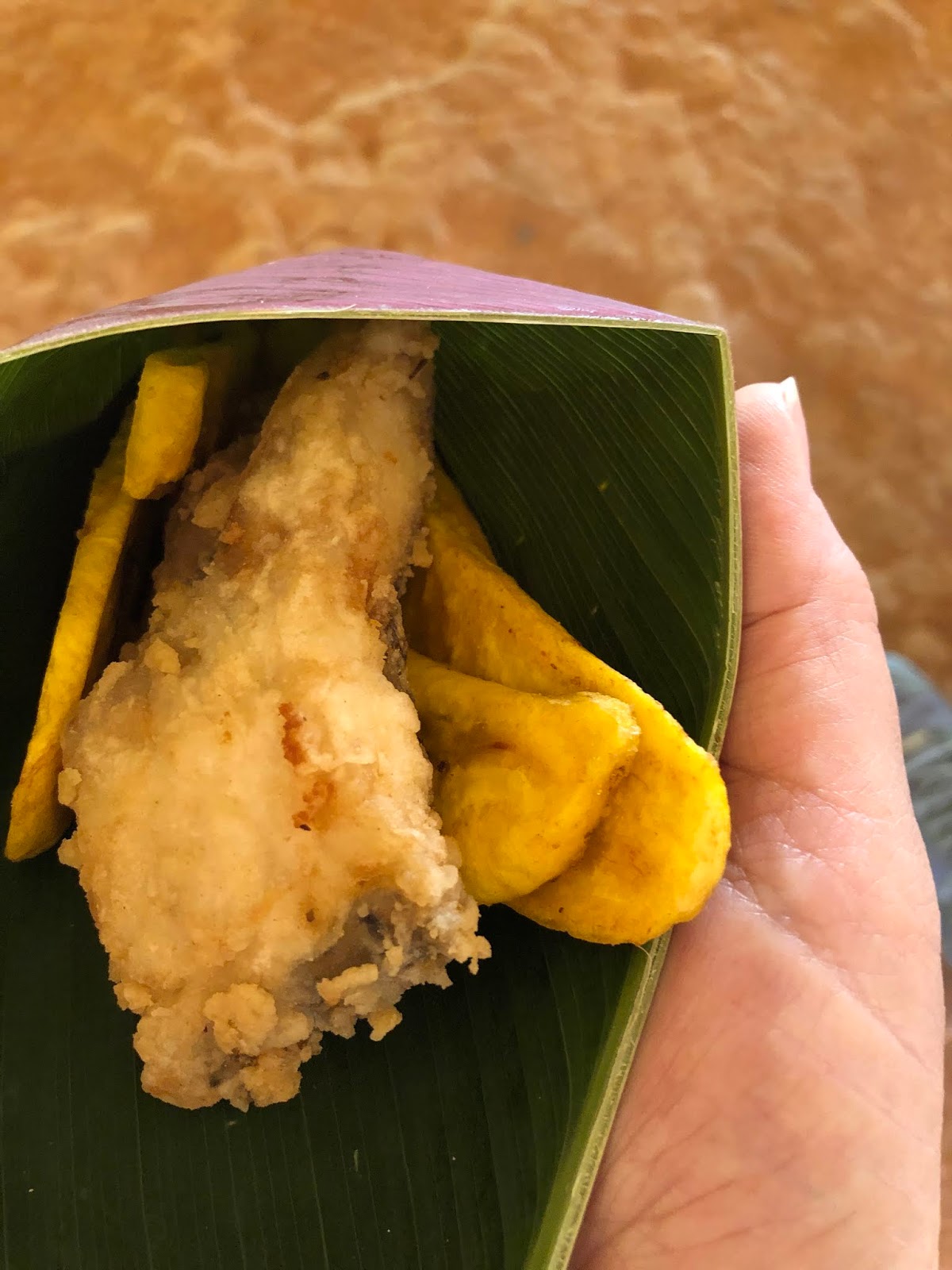
In the village we visited, there were about 20 families, making up a small population of 100. There is a chief, a spiritual shaman, a medicinal healer. They are very kind and gentle people. Their village gets about 25% of what we pay for our tour, and they go Venus a talk on how they live, translated by our tour guide. They fed us a nice snack of fried tilapia and plantains. The younger men and women demonstrated one of their ceremonial dances. Each family also set up a table to display their crafts. Whatever money they made from selling was that family’s to keep.
It was a nice day. They live about a ten minute motored canoe ride up a river, about 90 minutes outside of Panama City. I didn’t see any satellite dishes on their thatched roof houses, nor did I see any smartphones. I think they mostly keep to themselves. The kids are taught on site by a two teachers that come in from Panama City and they go to class until 6th grade. After that it is up to the student and their family if they want to continue their education. If they do, the family needs to pay to send them to the city for further learning. Their language is unique and is all oral, although in recent years they have been starting to re-create the language in written form, before it is lost forever. The elders in the villages are helping with this.
The Panama Canal
If you’ve never transited the Panama Canal, it’s a wonder to behold. Also a spectacular engineering accomplishment, at least for the early 20th Century.
Today was my third time through, and frankly, it gets better every time. There’s always something new to notice, new to learn. For example, the mule drivers like to yell and argue a lot and LOUDLY with each other, especially at 06:00! And the line throwers actually had some bullseye targets to practice throwing the ropes to the ships.
A mule. Two lines are attached from it to the ship. There is a mule on both sides of the ship, so, two in front and two in the rear, for a total,of four. They help keep the ship centered in the lock.
There’s the bullseye for practicing rope tossing.
The Spaniards first conceived of the idea of building a canal through this isthmus in the 1500’s. Clearly, they were procrastinators. In 1880, the French gave it a go but failed miserably, due in part to financial troubles and a pesky disease called Malaria. After Panama secured its independence in 1903, Teddy Roosevelt jumped at the opportunity to build the waterway and so began the successful construction. It was finished in 1914. The U.S. managed the canal operation until 1999, when it was turned over to Panama.
The canal generates a lot of revenue for Panama, as can be witnessed by the recent appearance of its phenomenal skyline that we see today. In the last decade or so, many skyscrapers have been built with the revenue generated by canal operations. There’s some great architecture in the new city center. One of my favorite buildings is the one that looks like a corkscrew.
The Panama Canal is important because it saves ships an enormous amount of time, money and lives. If it didn’t exist, ships would have to sail south to the bottom of South America and go around Cape Horn. That’s a dangerous stretch of water and really only safely passable during the summer months. Since it opened in 1914, over a million ships have transited the Canal.
The Canal uses a system of locks that act like water elevators and raises the ships to the level of Gatun Lake, which sits in the middle of the isthmus at about 84 feet above sea level. Our captain calls it “going over the hump”. The water to do this comes from Gatun Lake itself, using gravity and poured into the locks through a culvert system. It’s pretty ingenious!
Subscribe to:
Posts (Atom)